17014 S. Vermont Ave #C, Gardena, CA 90247
 (310) 856-3456
What Is an Accent Chair?
In the modern office, seating is more than just a functional necessity; it’s a key element of design, comfort, and workplace culture.
While desks and task chairs dominate workspaces, accent chairs are crucial in shaping the aesthetic and usability of collaborative areas, lounges, and reception spaces.
These chairs are not merely decorative; they enhance comfort, define zones, and reinforce brand identity.
Selecting the right accent chair involves understanding different styles, materials, and color coordination to create a cohesive and inviting office environment.
This guide deeply explores the essential aspects of choosing office accent chairs, from design considerations to practical benefits, ensuring your workspace is both stylish and functional.
The Need for Accent Chairs in the Office
Accent chairs serve multiple purposes in an office setting, making them indispensable in contemporary workspace design.
The true meaning of accent chair is a chair used for extra spacing, to add an accent or quality to the seating space.
Unlike standard office chairs, which prioritize ergonomics for extended work sessions, accent chairs are designed to complement the space while offering flexible seating for meetings, casual conversations, or brief periods of relaxation.
They help break the monotony of uniform furniture, adding more personality and visual interest to an otherwise utilitarian environment.
Accent chairs encourage informal discussions in collaborative spaces and establish a welcoming atmosphere for visitors in reception areas.
Additionally, accent chairs can subtly reinforce a company’s branding through color, material, and style, making them a strategic choice for businesses that value aesthetics alongside functionality.
Types of Accent Chairs for the Office
The variety of accent chairs allows businesses to select seating that aligns with their office’s aesthetic and functional needs. Below is a comprehensive list of the most popular types:
- Arm Chairs: Featuring supportive armrests, these chairs are ideal for executive offices and formal meeting areas.
- Slipper Chairs: Armless and compact, perfect for small conference rooms or tight spaces.
- Barrel Chairs: Known for their rounded backs, offering a cozy, enveloping feel.
- Parsons Chairs: Simple, squared-off designs that blend seamlessly into modern offices.
- Club Chairs: Deep seats and rolled arms provide a plush, luxurious seating experience.
- Chesterfield Chairs: Tufted leather upholstery exudes timeless sophistication.
- Lounge Chairs: Reclined seating for relaxation zones or breakout areas.
- Wingback Chairs: High-backed with side wings, lending a traditional, stately presence.
- Papasan Chairs: Curved, bowl-shaped seats for a laid-back, bohemian vibe.
- Convertible Chairs: Adjustable designs that can transform into chaises or daybeds.
- Modern Chairs: Sleek, minimalist silhouettes with clean lines.
- Mid-Century Modern Chairs: Retro-inspired designs with tapered legs and organic shapes.
- Scandinavian Chairs: Light wood frames and understated elegance.
- Industrial Chairs: Metal and reclaimed wood for an urban, loft-style aesthetic.
- Bohemian Chairs: Eclectic patterns and textured fabrics for creative spaces.
Every style serves a different purpose, from formal seating in executive suites to relaxed options for creative studios.
How to Pick Accent Chairs: What to Look for When Selecting an Accent Chair
Choosing the right accent chair involves more than just a visually appealing design. Several factors determine whether a chair will effectively enhance the workspace.
Material and Durability
Office furniture must withstand frequent use, so high-quality materials, such as leather, performance fabrics, or reinforced wood frames, are essential. Leather offers excellent durability and a professional look, while stain-resistant fabrics are ideal for high-traffic areas.
Size and Proportion:
An oversized chair in a small meeting room can feel cramped, while a chair that is too small may look out of place in a spacious lounge. Measure the available space and consider how the chair will fit with existing furniture.
Comfort and Ergonomics:
Even if accent chairs aren’t used for long work sessions, they should still provide adequate support. Look for chairs with cushioned seats, lumbar support, and a seat depth that is appropriate for your body.
Style and Aesthetic Alignment:
The chair should complement the office’s overall design theme. A sleek, modern chair may clash in a traditional wood-paneled office, while a vintage wingback might look out of place in a tech startup’s minimalist space.
Brand Consistency:
If the office has a specific color scheme or branding elements, the chair should be designed to align with these. Custom upholstery or branded colors can effectively reinforce a company’s identity.
Benefits of Accent Chairs in the Office
Incorporating accent chairs into an office environment offers numerous advantages beyond aesthetics.
- Enhanced Comfort and Flexibility: Unlike rigid task chairs, accent chairs provide varied seating options for different activities, from quick meetings to casual brainstorming sessions.
- Improved Office Aesthetics: A well-chosen accent chair can elevate the entire room’s design, acting as a focal point or tying together a color scheme.
- Space Definition: In open-plan offices, strategically placed chairs can subtly demarcate zones for collaboration, relaxation, or reception without the need for partitions.
- Visitor and Client Impressions: A thoughtfully designed reception area with stylish seating creates a positive first impression, conveying professionalism and attention to detail.
- Employee Well-Being: Comfortable, inviting seating in break areas encourages employees to take proper breaks, reducing fatigue and boosting productivity.
The Purpose of Accent Chairs in Different Office Areas
Accent chairs serve distinct roles depending on their placement within the office.
- Reception Areas: To create a welcoming atmosphere, chairs should be both comfortable and visually striking. Wingback or Chesterfield chairs are well-suited for formal settings, while modern or Scandinavian designs are ideal for contemporary offices.
- Conference Rooms: Depending on the room’s formality, armchairs or Parsons chairs provide structured seating, while lounge chairs can make the space more relaxed.
- Breakout Zones: Casual seating options, such as Papasan chairs, bean bags, or modular lounges, encourage informal collaboration and relaxation.
- Executive Offices: High-end materials, such as leather or velvet, in club or Chesterfield styles, convey authority and sophistication.
- Collaborative Workspaces: Lightweight, movable chairs, such as those found in slippers or side chairs, allow for flexible arrangements during team discussions.
Do Accent Chairs Need to Match?
A common question in office design is whether accent chairs should match the existing furniture. The answer depends on the desired effect.
- Matching for Cohesion: In formal settings such as law firms or corporate offices, matching chairs create a uniform and professional appearance.
- Mix-and-Match for Eclectic Style: Creative agencies and startups often benefit from a variety of chair designs, making the space feel dynamic and innovative. The key is maintaining a unifying element, such as color or material, to prevent visual chaos.
- Contrast for Visual Interest: Pairing a bold-colored accent chair with a neutral sofa can create a striking focal point without overwhelming the space.
Ultimately, the decision should align with the company’s brand and the office’s functional needs.
Color Coordination: Choosing the Right Accent Chair Hues
Selecting the right color for an accent chair ensures harmony with the existing office palette while adding visual appeal.
Accent Chairs for Beige Sofas
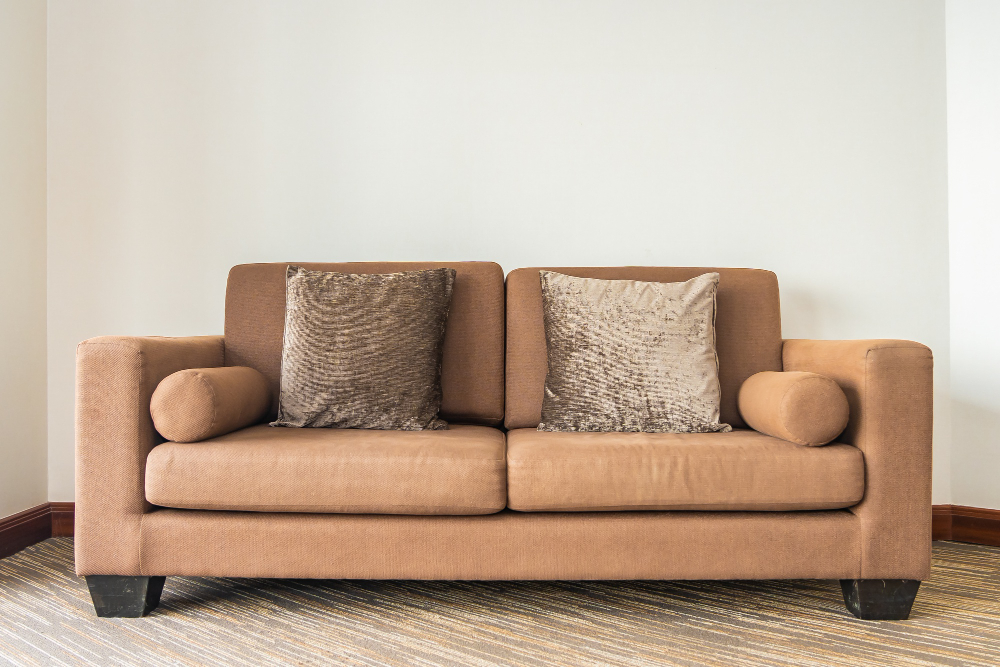
Beige is a versatile neutral that goes well with both bold and subdued tones. Deep navy or emerald green creates a sophisticated contrast, while warm terracotta or rust adds earthy richness. For a softer look, pastel mint or blush pink introduces subtle elegance.
Accent Chairs for Gray Sofas
Gray’s neutrality allows for a wide range of accent colors. Mustard yellow or burnt orange injects energy, while soft white or light gray maintains a minimalist aesthetic. Deep red or royal blue makes a strong statement for a dramatic effect.
Accent Chairs for Blue Sofas
Blue sofas, commonly found in corporate settings, pair well with complementary shades of green. Mustard yellow creates a vibrant contrast, while cream or beige offers a balanced, professional look. Metallic gold or brass accents add a touch of luxury.
Accent Chairs for Green Sofas
Green’s natural undertones pair beautifully with earthy hues. Warm brown or tan enhances a cozy, organic feel, while white or light wood keeps the space airy. For a bolder look, coral or deep teal provides a striking contrast.
Matching Accent Chair Styles to Office Areas
Different office zones benefit from specific chair styles, tailored to their functionality and ambiance.
- Executive Suites: Leather club chairs or Chesterfield-style seating conveys authority and tradition.
- Creative Studios: Bohemian or mid-century modern chairs encourage innovation and relaxation.
- Tech Startups: Sleek, contemporary designs with metallic or molded plastic reflect a forward-thinking ethos.
- Law Firms & Financial Offices: Traditional wingback or tufted chairs convey a sense of professionalism.
- Co-Working Spaces: Modular and convertible seating allows for flexible use.
FAQs About Office Accent Chairs
Q: How many accent chairs should an office have?
A: It depends on the space size and function. Reception areas typically need 2-4 chairs, while breakout zones may require multiple seating clusters.
Q: Can accent chairs be used as primary seating?
A: They can supplement workstations but are best suited for short-term seating due to ergonomic limitations.
Q: What’s the best fabric for high-traffic areas?
A: Performance fabrics (stain-resistant, durable) or leather are ideal for longevity.
Conclusion
Accent chairs are a powerful tool in office design, blending aesthetics, comfort, and functionality. By mindfully selecting styles, colors, and placements, businesses can forge an environment that impresses clients, supports employees, and reinforces brand identity.
For classic leather club chairs or trendy modular designs, the proper accent chairs elevate an office from merely functional to truly inspiring.
Investing in quality seating enhances workplace culture, boosts productivity, and ensures lasting design appeal. Buy quality office furniture at a great price and make the most of your office space.